

Build. Scale. Dominate.
From starter websites to enterprise-grade web applications, we deliver scalable, responsive solutions tailored to your business needs.
Choosing between WordPress and custom development depends on your budget, timeline, and long-term goals. Here is a side-by-side comparison to help you decide.
| Feature | WordPress | Custom Development |
|---|---|---|
| Initial Investment | Lower upfront | Higher upfront |
| Development Time | Faster setup | Longer but tailored |
| Flexibility | Limited by themes/plugins | Fully customizable |
| Scalability | Slows at 50K+ monthly visitors | Handles millions of users |
| Security | Frequent plugin vulnerabilities | Custom security architecture |
| SEO Control | Plugin-dependent (Yoast, RankMath) | Full control over every element |
| Maintenance | Plugin & core updates required | Only your code to maintain |
| Best For | Blogs, small business sites | E-commerce, SaaS, enterprise apps |
Our Recommendation: Choose WordPress for quick, budget-friendly sites with standard features. Choose custom development when you need unique functionality, high performance, or plan to scale significantly. At Zan Services, we build both — and help you pick the right approach for your goals.
Real results from projects similar to yours. See how we've helped businesses achieve their goals.
Client needed a high-converting online store to replace their outdated WordPress site that was suffering from slow load times, poor mobile experience, and declining sales.
Custom React + Node.js e-commerce platform with Stripe payment integration, real-time inventory management, advanced product filtering, and a built-in analytics dashboard for tracking conversions and revenue.
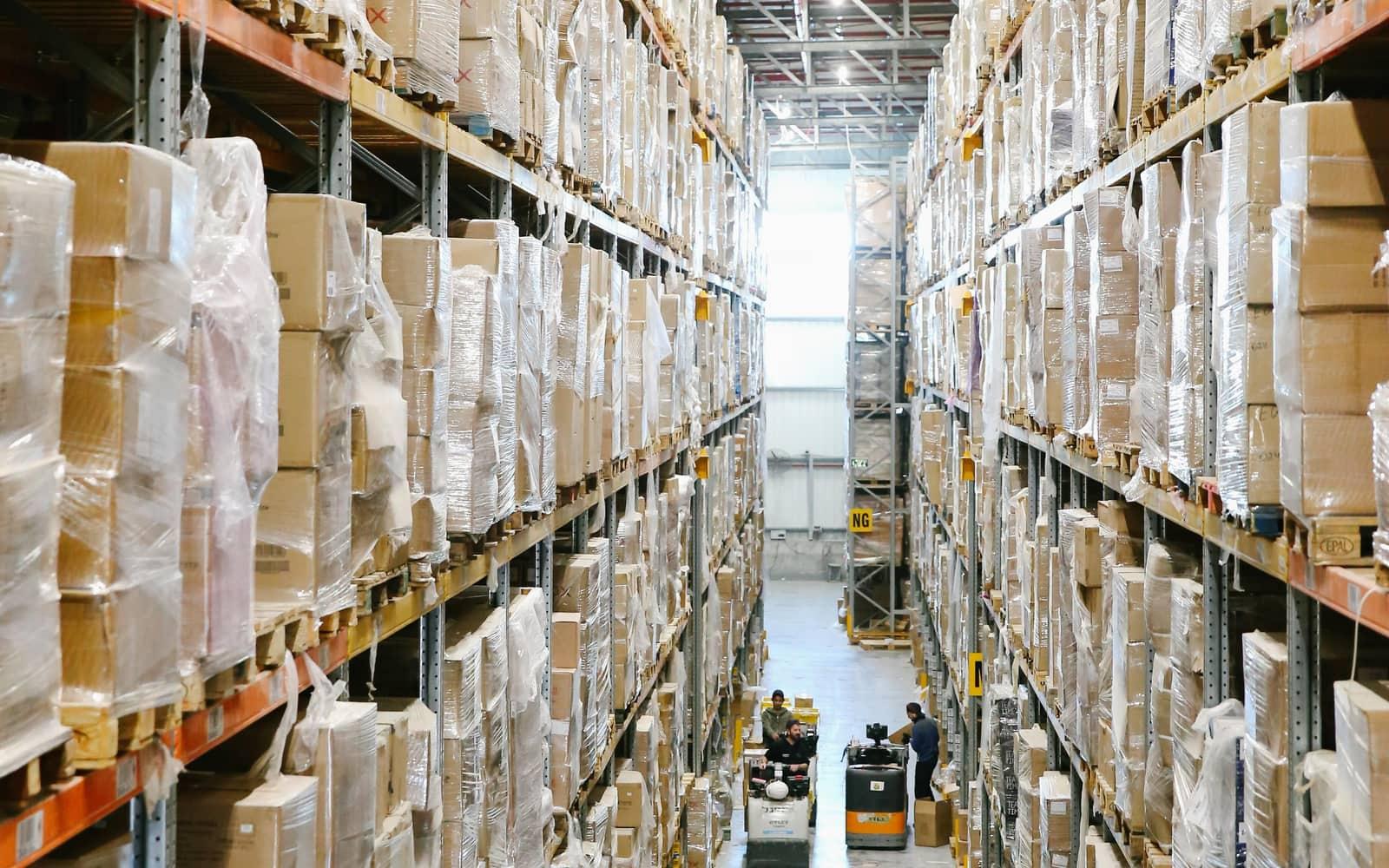
Operations team managing 500+ daily shipments using spreadsheets and manual processes, causing frequent delays, data entry errors, and lack of real-time visibility across the supply chain.
Custom Next.js dashboard with real-time shipment tracking, PostgreSQL database with optimized queries, automated daily and weekly reporting, role-based access control, and integrations with carrier APIs for live tracking updates.
Common questions about web development answered by our experts in Kolkata.
Responsive web design is a development approach where a website automatically adjusts its layout, images, and navigation to fit any screen size, from smartphones to large desktop monitors. With mobile devices accounting for over 60% of global web traffic, a non-responsive site risks losing the majority of its visitors. Google also uses mobile-friendliness as a ranking factor, meaning a responsive design directly impacts your search engine visibility. Modern responsive techniques like CSS Grid, Flexbox, and container queries allow precise control over how content reflows, ensuring a smooth experience across hundreds of device variations.
WordPress is better for budget-conscious projects that need a quick launch with standard features like blogs, portfolios, or small business sites. Custom development is better when you need unique functionality, high performance, or complete control over the codebase. WordPress powers roughly 43% of the web, making it familiar and plugin-rich, but heavy plugin use can slow page speed and introduce security vulnerabilities. Custom-built sites, using frameworks like React or Next.js, score significantly higher on Core Web Vitals and scale more gracefully. The right choice depends on your budget, timeline, and long-term technical ambitions.
Website development costs in Kolkata vary based on complexity, features, and design requirements. Kolkata offers some of the most competitive development rates in India due to lower operational costs compared to Bangalore or Mumbai. At Zan Services, we provide transparent, itemized quotes so you understand exactly what each component costs before development begins. Reach out for a free consultation and custom estimate.
A headless CMS is a content management system that stores and delivers content through an API without dictating how that content is displayed on the front end. Unlike traditional CMS platforms like WordPress, a headless CMS decouples the content layer from the presentation layer. This approach is ideal when you need to serve the same content across a website, mobile app, and smart devices simultaneously. Popular headless CMS options include Strapi, Sanity, and Contentful. Use a headless CMS when your project demands multi-channel content delivery, high performance, or when your front end uses a modern JavaScript framework.
A custom website typically takes 4 to 12 weeks to build, depending on the number of pages, feature complexity, and integration requirements. A straightforward 5-page business site can be completed in about 4 weeks, while a feature-rich e-commerce platform or SaaS dashboard may require 10 to 12 weeks or longer. The timeline breaks down roughly into 20% planning and design, 50% development, 15% testing, and 15% revisions and launch preparation. Delays most commonly arise from content not being ready on time, so we recommend preparing your copy, images, and branding assets before development begins to keep the schedule on track.
A static website serves the same pre-built HTML files to every visitor, while a dynamic website generates content in real time based on user interactions, database queries, or API calls. Static sites are faster, more secure, and cheaper to host because there is no server-side processing. Dynamic sites are necessary when content changes frequently or when users need to log in, submit forms, or interact with personalized data. Modern static-site generators like Astro and Next.js blur this line by pre-rendering pages at build time while still supporting dynamic features where needed, giving you the speed of static with the flexibility of dynamic.
Yes, we build fully functional e-commerce websites with integrated payment gateways including Razorpay, Stripe, PayPal, and UPI-based solutions popular in India. Our e-commerce builds include product catalogs, inventory management, secure checkout flows, order tracking, and automated email notifications. We typically integrate 2 to 3 payment methods per project to give end customers their preferred option. Security is paramount, so all payment pages are PCI DSS compliant and served over HTTPS with TLS 1.3 encryption. Whether you are launching a 50-product boutique store or a 10,000-SKU marketplace, we architect the solution to scale with your business.
Server-side rendering, or SSR, is a technique where web pages are generated on the server before being sent to the browser, rather than being built entirely in the browser using JavaScript. SSR matters for SEO because search engine crawlers can immediately read the fully rendered HTML without waiting for JavaScript to execute. Pages that use SSR typically achieve 30% to 50% faster First Contentful Paint, which directly improves user experience and search rankings. Frameworks like Next.js make SSR straightforward while still allowing client-side interactivity after the initial page load, combining the best of both approaches.
We ensure website security by embedding best practices throughout the development lifecycle rather than treating it as an afterthought. During coding, we follow the OWASP Top 10 guidelines to prevent common vulnerabilities like SQL injection, cross-site scripting, and broken authentication. All dependencies are scanned for known vulnerabilities using tools like Snyk and npm audit. We enforce HTTPS, implement Content Security Policy headers, sanitize all user inputs, and use parameterized database queries. Before launch, we conduct a security audit that covers penetration testing and access control review. Post-launch, automated monitoring alerts us to new threats within minutes.
Zan Services primarily uses React and Next.js on the front end with TypeScript for type safety and better maintainability. On the back end, we work with Node.js and Express for JavaScript-centric projects, Python with Django or FastAPI for data-heavy applications, and PHP with Laravel when WordPress or traditional server-side rendering is preferred. Our databases of choice include PostgreSQL for relational data and MongoDB for document-oriented needs. We deploy on AWS, Google Cloud, or Vercel depending on project requirements, and we use Docker for consistent development environments. Every stack choice is justified by your project's specific performance, scalability, and budget needs.